
What Happens During Cremation?


- access_timeOctober 27, 2025
- account_circleGary Jackson
What Happens During Cremation?
Cremation has become one of the most common choices for families in the United States, with more than 70% now selecting cremation as part of their final arrangements.
Yet because the cremation itself happens in a private, carefully controlled setting, many people are unsure what happens during cremation and naturally have questions before they decide.
Understanding the cremation process can bring peace of mind and help you decide whether this option, followed by a memorial or ash-scattering ceremony such as a burial at sea, is right for you and your family.
What is cremation?
Cremation is a respectful process that uses intense heat to transform the body of a deceased person into a simpler form, commonly known as “ashes” or “cremated remains.”
The cremation is carried out in a specially designed cremation chamber at a licensed crematory. Only one individual is placed in the chamber at a time. The chamber is then heated to a very high temperature for roughly two hours. During this time, the soft tissue is reduced, and what remains are primarily bone fragments.
Once the cremation cycle is complete, these bone fragments are carefully removed from the chamber, allowed to cool, and then placed into a special machine that gently processes them into a fine, sand-like consistency. These are the ashes that are then placed into an urn or other container chosen by the family.
After cremation, the family may choose to:
- Keep the ashes in a memorial urn at home
- Place the urn in a cemetery or columbarium
- Scatter the ashes at sea as part of a meaningful burial at sea ceremony
- Combine several of these options according to personal wishes
At Burial at Sea, we work with families after the cremation is complete, helping them honor their loved one with a dignified and memorable ash scattering at sea along the Southern California coast.
Whether you envision a quiet, intimate gathering or a more formal funeral at sea, understanding the cremation process is the first step toward planning a farewell that feels right for you and your family.
How Are Ashes Collected?
After the cremation is complete, the cremated remains need time to cool before they can be safely handled. This cooling period usually takes around an hour. Once the ashes have cooled, a trained technician carefully collects them from the cremation chamber.
Small fragments of bone that remain are placed into a special machine called a cremulator. This is a device designed to gently refine the bone fragments into a fine, consistent ash. These are the cremated remains that are then placed into an urn or a temporary container, ready to be released to the family.
At this stage, the ashes are prepared for family and friends to receive, so they can decide how they wish to honor their loved one.
Ashes Ceremony: A Gentle Step in Grief

The funeral usually happens very soon after a loss, at a time when family and friends are often still in shock — especially if the death was sudden or unexpected.
What you need from a funeral in those first raw days of grief can be very different from what you might want from a ceremony held later, when you have had more time to process and reflect.
Rather than solely dwelling on the pain of loss, you can focus on honoring your loved one’s story by sharing memories and expressing gratitude for their life. For many families, a burial at sea or an ashes scattering ceremony serves as a beautiful way to commemorate this moment. Gathering on the water, attendees can say a few words and witness the ashes gently return to the ocean.
If you would like to scatter the ashes but are not yet sure where or when, there is no need to rush. You can keep the ashes safely for as long as you need, until you feel ready to decide on the right place and the right type of ceremony for your family.
Who can collect the ashes?
For legal and practical reasons, only certain people are allowed to collect the ashes after cremation. As part of the cremation paperwork, you will be asked to complete a form naming the person or people who are authorised to receive the ashes. The crematorium is only permitted to release the ashes to the individual(s) listed on this form.
In most cases, the ashes are ready to be collected one or two days after the funeral. From there, you may choose to keep them at home, place them in a memorial setting, or arrange a sea burial or other scattering ceremony at a later date.
Travelling with ashes overseas
For some families, it is deeply meaningful to take a loved one’s ashes back to the country where they were born, or to a place that held special significance for them. This can be a powerful way of saying farewell in a location that truly mattered to the person who has died.
However, laws about cremated remains differ from country to country, so it is essential to check the rules before you travel. In some places, you may not be allowed to scatter ashes outside designated areas or to keep them at home.
Before making any plans, you should contact the embassy or consulate of the country you are travelling to and ask:
- What type of container is required for the ashes
- Whether they permit scattering, and if so, where
- Whether there are any additional documents or special permissions needed
In most situations, it is recommended that you:
- Arrive at the airport early, in case security checks take longer
- Carry the ashes in a non-metal container that can pass through X-ray screening
- Take the ashes as hand luggage rather than checked baggage
You will usually need to travel with the death certificate and the official cremation certificate. If an additional letter from a funeral director is required, your funeral provider can often supply this documentation.
Keeping ashes as a lasting memento
Not everyone chooses to scatter all of the ashes. Many people find comfort in keeping a small portion as a keepsake, something that allows them to feel close to the person who has died.
There are many ways to do this. A small amount of ashes can be placed into:
- A bracelet
- A pendant or locket
- A ring or pair of cufflinks
These pieces of memorial jewellery allow you to carry a part of your loved one with you in a subtle, personal way.
Some people choose to store ashes in traditional containers like wooden, willow, or cardboard urns, decorative boxes, or other meaningful items from their homes. Many place the ashes on a shelf, bedside table, or in a special corner of the house, often speaking to them to maintain a sense of connection and presence.
When it comes to handling ashes, you have several options: keeping them, scattering them in a meaningful location, or holding a burial at sea service. There is no single “right” way to approach this. The most important thing is that your choice feels honest, respectful, and healing for you and your family.
Does cremation happen right after the ceremony?
Cremation can take place shortly after the funeral service, but it does not always happen immediately. The exact timing depends on the crematorium’s schedule and operating procedures.
Modern cremators require a significant amount of time and energy to reach the extremely high temperatures needed for cremation. For reasons of efficiency and environmental sustainability, cremations are typically scheduled to occur consecutively rather than heating the equipment for a single use.
As a result, the cremation may not take place during the same hour or even on the same day as the ceremony.
Some families feel it is extremely important, for personal, cultural, or religious reasons, that the cremation take place as soon as possible. If this is your wish, a funeral director can work with the crematorium to arrange an appropriate time.
Once the cremation is complete and the ashes are ready, families may then choose a meaningful way to say farewell, such as a burial at sea with an ash-scattering ceremony on the ocean.
Do they reuse the coffin?
A very common concern is that the coffin might be taken away before cremation and reused for someone else. This is a myth. The coffin is not removed and reused.
The person who has died remains in their coffin throughout the process. When the time comes, the coffin is placed into the cremator with everything that has been chosen to go with them — such as photographs, letters, or flowers. These items stay with your loved one as part of their final journey.
Could someone be cremated with another person?
A common concern is the possibility of multiple people being cremated at the same time, leading to the fear that the ashes returned to the family may be mixed with someone else’s. This concern is completely understandable; however, it does not reflect actual practices.
Cremation is regulated by strict rules and professional standards. According to these regulations, each individual must be cremated separately in an individual chamber. After each cremation, all remains are carefully collected before the cremator is used for the next individual.
This means the ashes you receive will belong only to your loved one, and no one else.
What items can’t go inside a cremator?
Not everything can safely go into a cremator. For both safety and equipment protection, there are certain items that should not be placed inside the coffin before cremation.
In general, anything that might explode, melt dangerously, or damage the cremation chamber needs to be removed. This usually includes:
- Items containing liquid (especially sealed or pressurized containers)
- Heavy plastics that can produce harmful fumes
- Glass items
- Anything with batteries (such as some watches, electronic devices, or hearing aids)
Your funeral director will assist you in understanding what can and cannot be included with your loved one during the cremation process. If there are special items that hold significance—such as letters, photos, or small mementos—your director can help you determine which items are suitable for cremation and which should be preserved for the ceremony or kept as personal keepsakes.
For example, some families choose to keep certain cherished items to take with them on a later burial at sea or ash-scattering ceremony, using them as part of the service on the water rather than placing them inside the coffin.
What happens to joint replacements and metals?
Many people have medical implants, such as hip or knee replacements, screws, plates, or other metal devices. After the cremation is complete, a crematory technician carefully goes through the remains before they are processed in the cremulator.
During this stage:
Metal components, like joint replacements and small fittings or wires from the coffin, are separated and removed.
Once the metals have been taken out, the remaining bone fragments are placed in the cremulator, where they are gently processed into a fine ash. These ashes are then placed in an urn or container and returned to the family.
From there, you are free to decide how best to honor your loved one — whether keeping the ashes in a memorial urn, placing them in a special location, or arranging a dignified ash scattering at sea as part of a personalized Burial at Sea ceremony.
How to Prepare for a Loved One’s Cremation
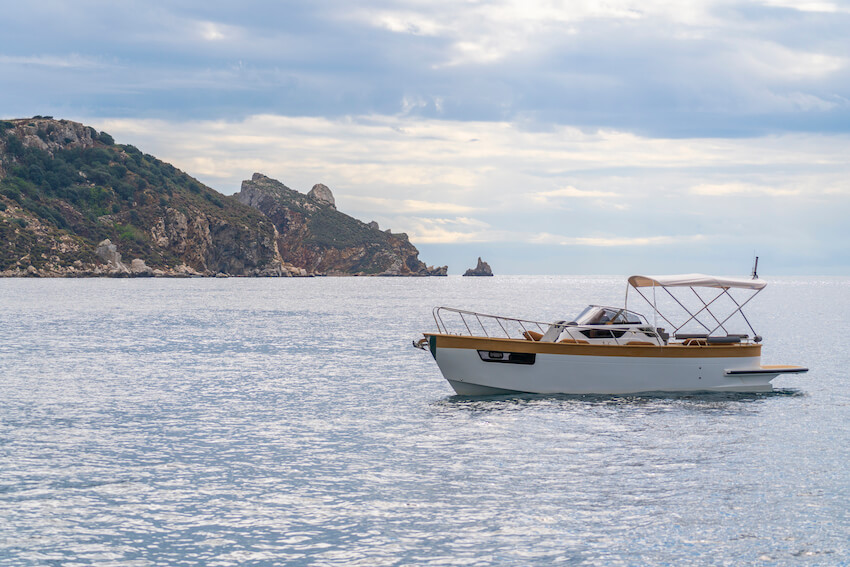
Planning the cremation of a loved one and deciding on the next steps can be overwhelming, especially while you are grieving.
Once you reach out to the funeral home, the funeral director will assist you through crucial steps, including paperwork, transportation, and caring for your loved one’s body. Gaining an understanding of the cremation process can provide clarity and comfort, enabling you to make choices that feel appropriate for your family.
There is no one “correct” way to honor someone after cremation. You might choose to keep the ashes in an urn, create a small memorial at home, or plan a gathering when you feel ready. For many families, scattering the ashes in the ocean becomes a deeply meaningful option, especially when paired with a thoughtful ceremony that reflects their loved one’s life and values.
Burial at Sea Services in California
At Burial at Sea, we help families create dignified ash-scattering ceremonies on the water, offering guidance before and after cremation so you can move from understanding What Happens During Cremation to planning a peaceful final farewell.
Our services combine meticulous planning, full compliance with legal and environmental regulations, and a deep respect for the sea, allowing your loved one to rest in the quiet expanse of the ocean.
The Burial at Sea Funeral Company provides dedicated sea funeral services across California, with our main office in San Pedro/Long Beach and additional departure points along the coastline, including Dana Point, Long Beach, San Pedro, and Catalina Island.
If you have questions, need guidance about cremation and sea scattering, or would like to explore available vessels and memorial options, you are welcome to call us at 310-714-0548. You can also submit a contact form with your wishes and requirements, and our team will respond promptly to help you plan a farewell that is personal, lawful, and truly respectful of both your loved one and the ocean they will rest in.